Physical Address
304 North Cardinal St.
Dorchester Center, MA 02124
Physical Address
304 North Cardinal St.
Dorchester Center, MA 02124

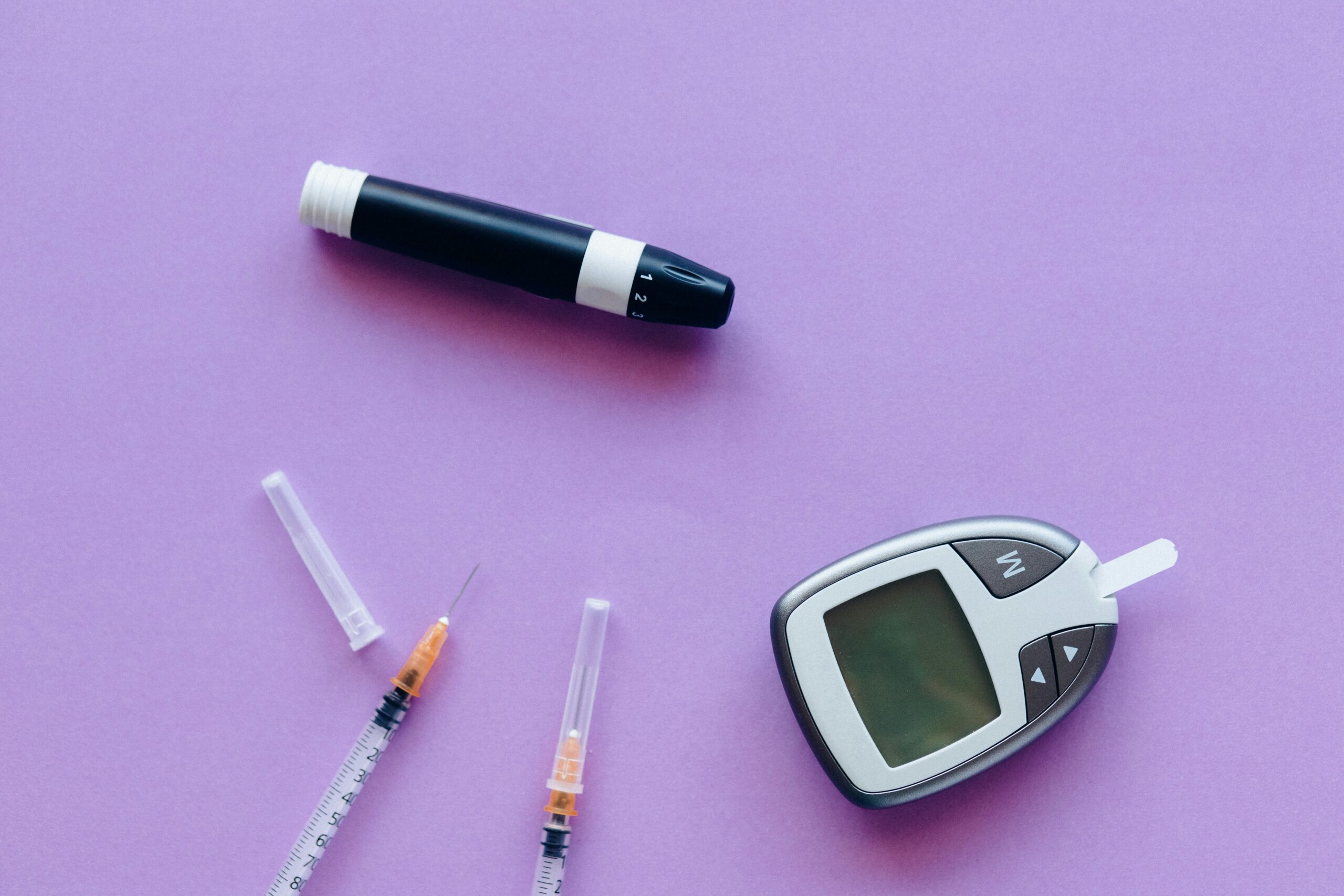
Of all the systemic associations linked to periodontal disease, the relationship with diabetes is the best established, the most mechanistically understood, and the most clinically actionable. Unlike some areas of periodontal medicine where causality remains contested, the evidence base here is substantial enough that international bodies — including the European Federation of Periodontology, the American Academy of Periodontology, and the International Diabetes Federation — have all issued joint guidance formalising the relationship and setting out its clinical implications.
Periodontal disease is now considered the sixth complication of diabetes, alongside retinopathy, nephropathy, neuropathy, cardiovascular disease, and peripheral vascular disease — reflecting how significantly the field has moved in recognising periodontitis as a systemic condition rather than a localised oral disease.
Yet despite this consensus, the collaboration between dental and medical professionals that the evidence demands remains patchy at best. A 2026 editorial in Frontiers in Oral Health summed up the state of play: although the bidirectional relationship between periodontal disease and diabetes mellitus has been widely acknowledged, much of the existing evidence base is constrained by cross-sectional designs, heterogeneity in diagnostic criteria, and insufficient control of confounders — reinforcing the necessity for long-term cohort studies and well-designed clinical trials to determine whether integrated medical-dental interventions can improve both glycaemic and periodontal outcomes.
That gap between evidence and practice is what this article addresses.
The epidemiological relationship is now well quantified. A meta-analysis of cohort studies on the bidirectional association between periodontal disease and diabetes reported a 24% increased incidence of periodontal disease in diabetic patients and a 26% increased relative risk of developing diabetes in patients with periodontitis.
Read another way: if you are sitting in front of a patient with severe periodontitis, they are more than a quarter more likely to go on to develop type 2 diabetes than someone without it. And if you are managing a patient with poorly controlled diabetes, that patient is nearly a quarter more likely to develop significant periodontal disease than a non-diabetic counterpart.
For patients with periodontitis, a CPI score of 3 was associated with a 38% increased relative risk of incident diabetes, rising to 133% at a CPI score of 4 — a striking dose-response relationship that strengthens the biological plausibility of a causal link.
The biological explanation for this relationship is increasingly well understood — and it involves a self-reinforcing cycle that, once established, is difficult to interrupt without addressing both conditions simultaneously.
In one direction, diabetes affects periodontal tissues through hyperglycaemia and the pathophysiology of the disease, which affects both the immune system and the periodontal tissues. Periodontal tissues have receptors for proteins known as advanced glycation end-products, which may make them more susceptible to the effects of chronic hyperglycaemia.
In the other direction, periodontitis drives systemic inflammation — elevating circulating IL-1β, IL-6, and TNF-α — that directly impairs insulin sensitivity and contributes to the hyperglycaemic state. Hyperglycaemia in turn increases the production of reactive oxygen species in periodontal tissues, overwhelming antioxidant defence systems, resulting in oxidative damage and leading to mitochondrial dysfunction, increased NLRP3 inflammasome activation, and a proinflammatory environment that drives further tissue destruction and impairs regeneration.
The result is a feedback loop: diabetes worsens periodontal inflammation, periodontal inflammation worsens glycaemic control, and worsening glycaemic control further impairs the periodontal tissues’ capacity to heal. Breaking that cycle requires intervention at both ends — and crucially, managing one condition in isolation is unlikely to achieve optimal outcomes in either.
This is the clinical question with the most direct implications for practice — and the answer, across a substantial body of evidence, is that periodontal treatment produces a meaningful, measurable improvement in glycaemic control.
Results from a review that included data from 30 studies showed that in patients with diabetes, there was a 0.43% reduction in HbA1c levels three to four months after periodontal treatment compared to those receiving routine care or no intervention. In 12 trials with a six-month follow-up, this difference was 0.30%, while one study showed a 0.5% reduction in HbA1c after 12 months.
To contextualise that figure: a 0.43% reduction in HbA1c is clinically significant. It is comparable in magnitude to the effect of adding a second oral hypoglycaemic agent to a patient’s medication regimen. A 2022 update of a Cochrane review on periodontal management for diabetic patients reported moderate-level evidence for improved glycaemic control up to one year following non-surgical periodontal therapy — one of the most rigorous evidence standards in clinical research.
Adjunctive therapies add further benefit. In diabetic patients, adjuvant systemic antibiotic administration improves pocket severity, though without producing attachment gain. The response to periodontal treatment is modified by metabolic control — patients with poorly controlled diabetes do not respond in the same way as those with well-managed glycaemia.
That last point is critical for treatment planning. The diabetic patient with an HbA1c above 8% presents a fundamentally different clinical challenge to one with well-controlled diabetes. Periodontal treatment in the context of poor glycaemic control will achieve less, heal more slowly, and carry greater risk of post-operative complications. Managing expectations and establishing communication with the patient’s diabetologist is not optional — it is part of good periodontal care.
One of the more striking findings in recent literature is that a significant proportion of patients attending dental practices have undiagnosed prediabetes or diabetes — and would never be identified without some form of screening at the dental chair.
A recent study evaluated the effectiveness of diabetes screening in the dental care setting and found that 31.27% of subjects were at high risk of diabetes and 15.83% had HbA1c levels in the prediabetes or diabetes range.
These are substantial numbers. They suggest that the dental practice — with its routine recall system, patient continuity, and existing relationship with patients who may not regularly attend a GP — is a genuinely valuable point of detection for an underdiagnosed condition that affects over half a billion people worldwide.
Point-of-care HbA1c testing is now feasible in a dental setting. Several European countries and US states have piloted diabetes screening programmes anchored in dental practices, with encouraging results. The barriers are primarily systemic — lack of referral pathways, training gaps, and reimbursement models that do not reward cross-disciplinary detection — rather than clinical.
The joint EFP/IDF consensus recommendations are explicit. Patients with periodontitis should be informed of their increased risk of type 2 diabetes and referred for medical review where risk factors are present. Patients with diabetes should be routinely informed of their heightened periodontal risk and referred to a periodontist or dental professional for assessment and ongoing monitoring.
Despite this being known for more than two decades and supported by an ever-increasing body of evidence, a lot more needs to be done in terms of collaboration between dental and medical professionals and in educating the public about the steps they can take to improve both periodontal and diabetic health.
The practical recommendations for dental practitioners managing diabetic patients include: recording HbA1c and diabetes status in the medical history and updating it at each visit; adjusting recall frequency to account for elevated periodontal risk; considering staged treatment with shorter appointments for poorly controlled patients; liaising with the patient’s medical team before undertaking complex or surgical periodontal procedures; and being alert to signs of undiagnosed diabetes — including unexplained rapid periodontal destruction in a patient without obvious risk factors.
A final, intriguing development in this field concerns the potential direct benefits of anti-diabetic medications on periodontal tissues. Recent studies suggest that drugs currently used for the treatment of type 2 diabetes — including metformin, sulfonylureas, and GLP-1 receptor agonists — may have direct beneficial effects in periodontitis by decreasing inflammation, reducing bacterial dysbiosis, and enhancing bone formation — suggesting pleiotropic effects of potential relevance beyond blood glucose lowering.
GLP-1 receptor agonists in particular — a drug class that has achieved extraordinary clinical and commercial visibility through agents such as semaglutide — have anti-inflammatory properties that may independently benefit the periodontal environment. Whether this translates into a measurable clinical effect on periodontal outcomes is an active area of research and one that will carry significant implications given the extraordinary prevalence of these agents in current clinical practice.
The periodontitis-diabetes relationship is no longer a hypothesis — it is an established, mechanistically understood, and clinically actionable connection that demands a response from both dental and medical professions. Treating periodontitis effectively in diabetic patients is not simply good dental practice. It is an intervention with measurable systemic benefit, producing improvements in glycaemic control equivalent to adding a pharmacological agent. And identifying undiagnosed prediabetes in the dental setting may — for a meaningful proportion of patients — represent the earliest clinical encounter with a condition that will otherwise silently progress for years.
The evidence is clear. The question now is whether the systems, referral pathways, and professional cultures exist to act on it.
Sources: Frontiers in Nutrition, May 2025 (HbA1c bidirectional review); Frontiers in Clinical Diabetes and Healthcare, February 2025 (meta-analysis and systematic review); Frontiers in Oral Health, January 2026 (editorial); Frontiers in Cellular and Infection Microbiology, April 2025; MDPI Biomedicines (mechanisms review); European Federation of Periodontology consensus documentation; Cochrane Database Systematic Review 2022 (Simpson et al.); Journal of Periodontal Research, 2026 (Graves et al., mechanisms).
